 Smart Play APK
Smart Play APK
Smart Play APK
Android smartphones constantly evaluate available networks to maintain the best possible connection. The device automatically transitions between Wi-Fi and mobile data when one becomes unavailable or when signal strength drops below a usable level. This handover process, although designed to be seamless, introduces a brief period where data flow stops or slows significantly. For apps that stream content in real time, even a few seconds of interruption can empty the playback buffer and force the app to pause until more data arrives.
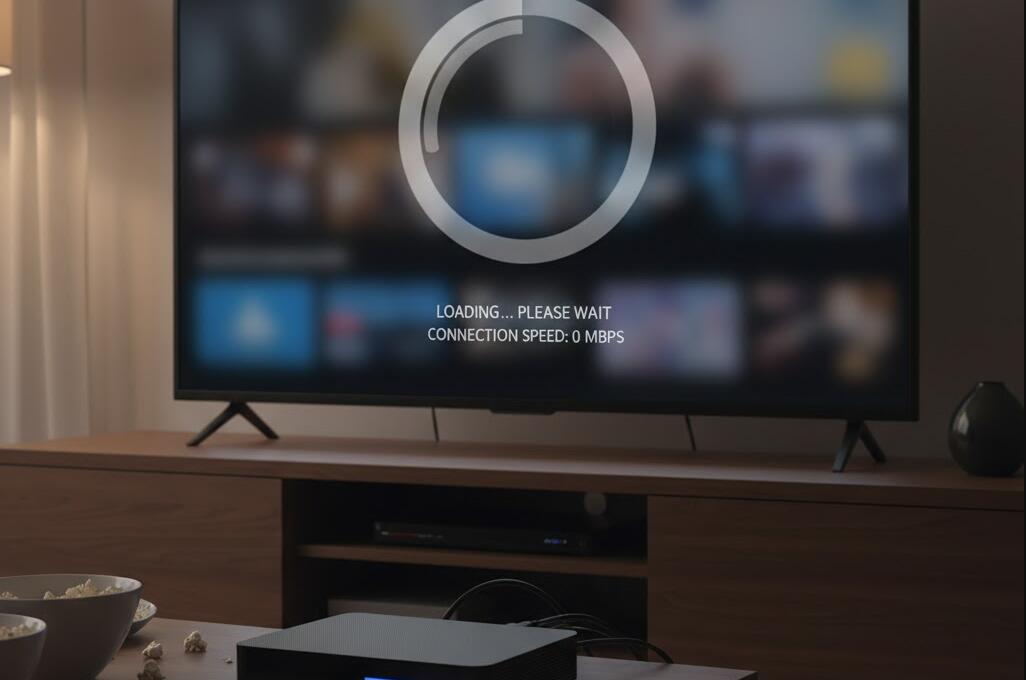
Smart Play Full APK is built to deliver video and audio streams from various sources. It depends on a steady stream of data packets to keep playback smooth without noticeable delays. When the network type changes suddenly, the app loses its current connection and must re-establish one on the new network. During this transition, no new data reaches the device, so the buffer depletes quickly. The result is buffering that appears as a loading spinner, frozen video frame, or repeated attempts to resume play.
These problems become more frequent in environments where Wi-Fi coverage is inconsistent, such as near building edges, during commutes, or in areas with overlapping networks. Users often report that playback works perfectly on a single stable connection but struggles whenever the device switches networks automatically.
The Android operating system uses the ConnectivityManager service to track all active networks. This service listens for changes in network availability, capabilities, and transport type. When Wi-Fi signal weakens or disappears entirely, the system marks the Wi-Fi network as lost and activates mobile data if it is enabled and has a usable signal.
During the switch, there is typically a momentary gap where neither network provides connectivity. This gap lasts anywhere from one to ten seconds depending on signal conditions, device hardware, and carrier settings. Apps receive broadcast intents or callbacks notifying them of the change, but they cannot prevent the brief disconnection.
Modern Android versions include improved handover techniques, such as make-before-break connections in some devices, but interruptions still occur frequently enough to affect streaming. The system prioritizes quick reconnection over zero-downtime transitions to balance battery life and usability.
Streaming applications maintain a buffer—a small amount of pre-downloaded content ready for immediate playback. This buffer absorbs minor fluctuations in network speed. However, a complete network switch empties the buffer faster than usual because incoming data stops entirely for several seconds.
After reconnection, the app must rebuild the buffer from scratch on the new network. If the new connection is slower than the previous one, rebuilding takes even longer. High-bitrate videos suffer the most because they require more data per second to maintain smooth play. Adaptive bitrate streaming helps by dropping to lower quality, but the initial pause still happens.
Live streams face additional challenges since they cannot rewind to refill the buffer. The delay accumulates, sometimes causing the stream to fall behind real time until quality adjustments take effect.
Smart Play Full APK fetches media in segments, similar to most modern streaming players. Each segment downloads independently, allowing progressive loading. A network switch interrupts the download of the current segment and prevents the next ones from starting promptly.
Once the app detects the new network, it restarts segment requests. This restart adds overhead, especially if authentication or session tokens need refreshing. Playback remains paused until several segments arrive and the buffer reaches a playable threshold again. Smart Play Full APK behaves this way because it follows standard HTTP streaming protocols that do not include special handover optimizations beyond what Android provides.
The interruptions feel more disruptive during longer viewing sessions or when the user moves frequently between Wi-Fi zones and cellular coverage.
Consider a user watching a movie at home on stable Wi-Fi. As they step outside to take a call, Wi-Fi drops and mobile data activates. The video freezes within seconds. After about fifteen to twenty seconds of buffering, playback resumes at reduced quality until the buffer fills again. This cycle repeats whenever the device switches networks during the session.
Buffering that correlates directly with network changes stands out from constant slow-connection buffering. Pauses begin immediately after the Wi-Fi icon disappears from the status bar or after entering an area with poor coverage. Playback returns to normal once the connection stabilizes on one network.
Multiple short buffering events in quick succession often indicate repeated handovers, such as in borderline Wi-Fi areas. Data usage logs may show a temporary spike in mobile data after a switch as the app catches up. Comparing behavior on airplane mode with only Wi-Fi or only mobile data helps confirm the switch as the trigger.
These signs distinguish handover issues from general internet speed problems or server-side delays.
One effective approach involves minimizing unnecessary network switches. Users can disable automatic Wi-Fi switching in settings or turn off mobile data when on reliable Wi-Fi. Keeping the device connected to a single network type for longer periods reduces handover frequency.
Lowering video quality manually before expected switches gives the buffer more time to recover on slower mobile data. Enabling any app-specific prefetch or larger buffer settings, if available, helps absorb interruptions. Keeping the app and system updated ensures any improvements in network handling are applied.
These adjustments shorten buffering duration and improve perceived smoothness during transitions, though they cannot eliminate the issue completely due to Android's underlying network behavior.
Play content while deliberately turning Wi-Fi off and on. Measure buffering time before and after changes to quality settings or network preferences. Consistent reduction in pause length indicates the adjustments are working effectively.
Weak signal on the newly activated network extends reconnection time and slows buffer rebuild. Active VPN connections add encryption overhead, increasing latency during handovers. Background apps consuming bandwidth compete for the limited throughput available right after a switch.
Low-power modes sometimes deprioritize network activity, delaying recovery. Carrier-specific settings, such as aggressive data compression or throttling, can worsen the situation on mobile networks. Device hardware differences, including modem quality, also influence handover smoothness.
Identifying and addressing these secondary factors helps isolate and mitigate the core network-switch problem.
Achieving consistent playback requires awareness of how Android manages connectivity. Planning sessions around stable networks reduces switch frequency. For mobile-heavy use, selecting adaptive streaming sources that respond quickly to quality changes improves resilience.
Developers continue refining network handling in updates, but fundamental handover limitations remain part of the platform. Users benefit from combining app features with device settings to minimize disruptions.
Network behavior varies across manufacturers and Android versions, so testing on specific devices reveals the most effective combinations. For users running lighter app versions, lite performance limits can compound buffering challenges during similar network events due to reduced buffering capacity and processing headroom. Awareness of these interactions supports better overall streaming experiences on Android devices.